
Heart Resources
1) What is your relationship with the more-than-human world?
“Nature cannot be regarded as something separate from ourselves or as a mere setting in which we live. We are part of nature, included in it and thus in constant interaction with it.”
Pope Francis, Laudato Si: 139
The dominant view in our society and in the business world is that we, as humans, are somehow separate from nature, above it and apart from it. This perception has enabled us to treat animals, plants and minerals of the Earth as “things” that are here primarily, if not solely, for our use. We have felt free to excavate, generate and incinerate without concern for the interrelationships that exist in the vast planetary system.
There are many excellent resources, in addition to Laudato Si, to explore these concepts. Traditional indigenous cultures have not operated from these perspectives and have much to share about how we can heal our relationship with Mother Earth. There are also several naturalists that have written eloquently on this topic.
Some reading suggestions
Non-Fiction
- Braiding Sweet Grass, Robin Wall Kimmerer
- A Sand County Almanac, Aldo Leopold
- Losing Eden: Why Our Minds Need the Wild, Lucy Jones
- Entangled Life: How Fungi Make our Worlds, Change our Minds and Shape our Futures, Merlin Sheldrake
- Becoming Animal: An Earthly Cosmology, David Abram
- In the Shadow of Man, Jane Goodall
Fiction
- Once There Were Wolves, Charlotte McConaghy
- Living Sea of Waking Dreams, Richard Flanagan
Our best teacher is nature herself. Spending quiet time, being with the living creatures that surround us is our best tutor.
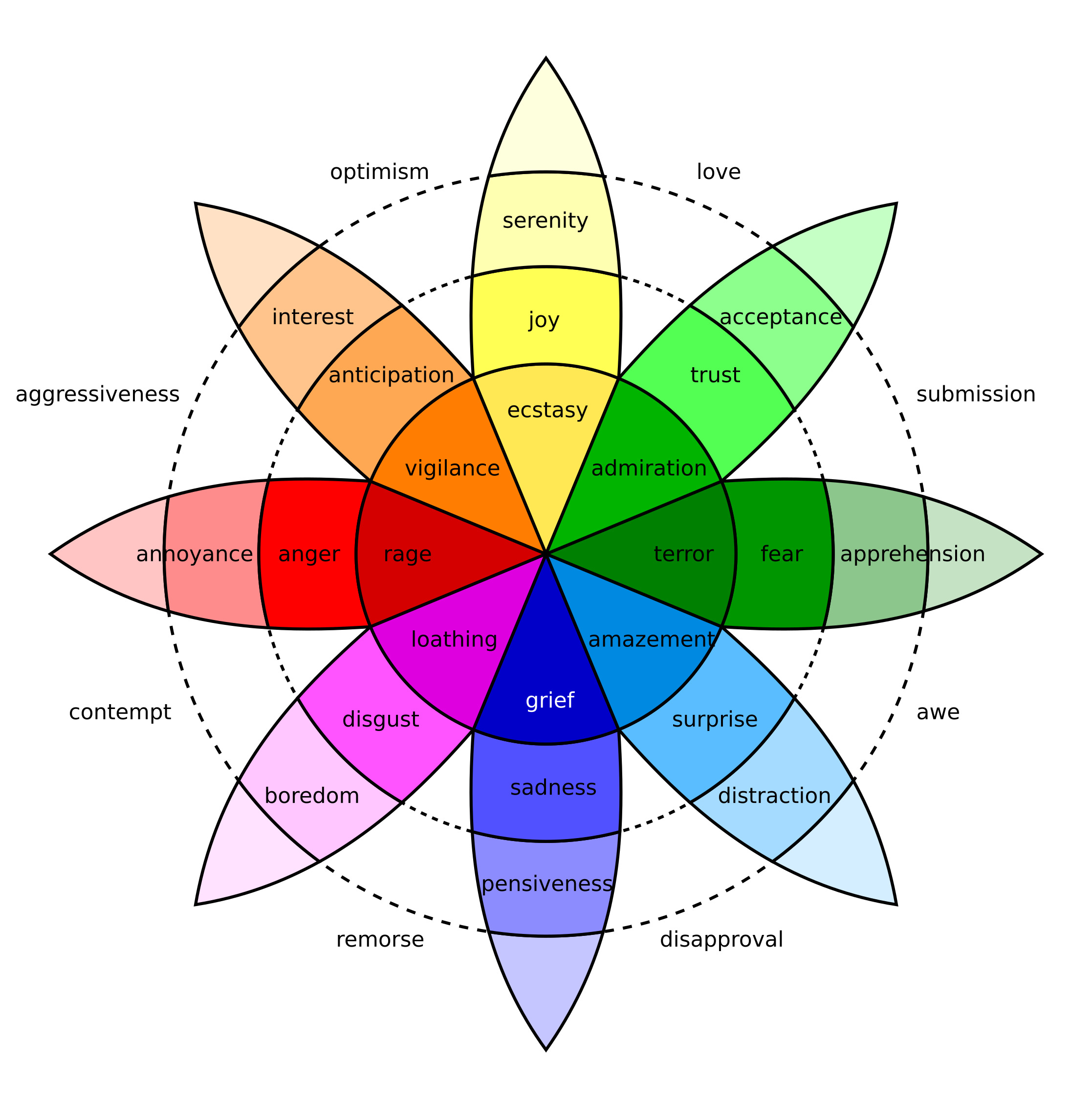
2) What is your heart feeling?
There are many feelings that may arise as you learn more about the eco-crisis and its causes; grief, anger, guilt, out of control and helpless, overwhelmed. It is important to allow whatever feelings arise and to spend time with them to understand them. There are resources to help you sort through these feelings.
Spend time and share these feelings with a trusted friend, mentor or counselor. You are not alone. “Climate grief” is a recognized phenomenon in our culture.
It is important to work with these feelings before turning to action. Action motivated by anger or ill will toward others will likely lead those who you are trying to reach to become more hardened in their positions.
Resources
- Climate Generation
- The Commons: Social Change Library
- The Work that Reconnects
- Joanna Macy and Her Work
Books
- Active Hope: How to Face the Mess We’re in with Unexpected Resilience & Creative Power: Revised Edition, by Joanna Macy and Chris Johnstone
- H Is for Hope: Climate Change from A to Z, by Elizabeth Kolbert
- Beyond Climate Grief, by Monica Newby
- A Field Guide to Climate Anxiety: How to Keep Your Cool on a Warming Planet, by Sarah Jaquette Ray
3) Where is your heart leading you?
When considering what action to take, it’s important to tune in to what your heart is saying. What is it that you love to do, that you are inclined to, that you are skilled in or that you would like to develop some new skills in. There are many ways to intervene and many tasks to be done. Stretching a little beyond your comfort zone can be a good thing. But overstretching your skills, your time or your energy will lead to frustration and burnout.